How strange it is to think that all out ailments ar e connected to our feet but proven it has been!
Our feet do hold the cure to most of what effects our bodies. Practised for a thousand years find a natural cure to migraines at the bottom of your feet.
Massaging Your Way Out of Migraines
The mere mention of the word migraine will make its sufferers cringe and recall their last attack. Say the word reflexology to them and you will probably get a perplexed stare.
A recent (2006) study in Denmark implies that migraineurs who get more familiar with reflexology are less possibly to wince automatically at the mention of migraines.
What is reflexology?
Reflexology is a massage method built on the concept that every part of the human body has a corresponding place on the sole of the foot. Reflexologists consider that massage and stimulation of these points on the foot can ease tautness, pain, and stress in the corresponding parts of the body.
In the Danish examination involving an assortment of migraineurs and people experiencing frequent tension headaches. Approximately 90% of the people who participated in the examination admitted taking prescribed medicine in the month prior to the study specially for their headaches. After the examination, 19% of participants said they were able to break off taking medication for their headaches thanks to the treatment.
The study involved a program of six to eight treatments with monthly follow-up treatments thereafter for a period of six months. At the conclusion of the six months, 23% of the investigation participants said they were absolutely cured and no longer having headaches. Fifty-five percent of the participants noted marked recovery in their condition-headaches were less unceasing and less awful. An amazing 78% of the examination participants became aware of a progress in their condition.
At a follow-up check three months after the conclusion of the research 23% of the migraineurs described they were cured. About 41% said they felt their quality of life perked up.
The treatments were most successful on younger patients and those who had been inflicted with migraines for a shorter period of time.
 The Painful Truth Behind Migraines, Hormones and Women
It is not widely known that women are more inclined to suffer from headaches than men. Science judges that women may have more excruciating headaches than men, as well.
Of course, there are a number of factors that come into consideration when mulling over an individual's chances of experiencing migraine headaches, and the incidence of such problems. Maturing, genetics, and family history can all play a factor, but for women, there are several other dynamics to be contemplated on.
Hormone levels and birth control pills (which tinker with existing levels or introduce man-made hormones to the body) are both prospective aspects in the headache equation.
As affirmed, there are a lot of factors that can play a part in someone's chances of getting headaches. For example, getting older looks to be a big aspect. The older one gets, notionally, the more prone one is to be subjected to headaches.
People with a family history of being vulnerable to the illness are also at heightened risk, though whether or not there is a tangible genetic relation is still doubtful. However, women have come to note that variation in hormones can usually be be tied in with headaches. This can include things like particular phases of the menstrual cycle, pregnancy, and any other times or situation that alter a woman's usual hormone levels.
This includes the use (or overuse) of birth control pills and patches, which bring in man-made hormones. The simple basis for this would be progesterone and estrogen, every so often recognized as the main hormones of the female physiology. The two of them may have a bearing on other chemicals in the body, along with an assortment of chemical receptors.
Among the many prospective physiological compounds that can be disturbed by the two discussed above are the ones that influence and organize headaches in the brain. This commonly occurs due to some form of “correspondence” with other elements in the brain.
For example, excessive levels of estrogen and not enough levels of serotonin have been acknowledged to cause headaches in some patients, with the intensity shifting from the mild to the severe. As can be foreseen, there are times when the man-made hormones of birth control drugs can also have similar end results.
Of course, just because hormone levels are a natural part of the body and can't be discarded completely doesn't mean the average woman is defenceless against them. Modern medicine has ways of helping treat (or prevent, as the case may be) the headaches.
Most available pain relievers are magnificent ways of reducing headaches that come in the course of the commencement of menstruation, which is naturally complemented by an unexpected decline in estrogen levels. Good diet and exercise, which are basically thought to be good for pretty much anything, can also help diminish the intensity of hormone-related migraine headaches when they come. Sufficient time and good quality of sleep is also very important.
What about those who use birth control pills? The remedy for the hormone-related migraine headaches is different for women who use the pill and for those who don't. Taking an agenda that has more or less placebo effect can be useful in helping combat the likely upsurge in hormonal headaches. There are also prescriptions and patches that do not use estrogen or progesterone, and thus there is no amplified risk of headaches.
 Prophylactic Migraine Prescriptions
Experts every so often recommend a daily dose of medicines to lower the length and incidence of migraine attacks. These drugs are called prophylactic or preventive treatment. There are several types of drugs approved for use as prophylactic migraine therapies.
Beta Blockers
It is unknown how beta blockers avert migraines, but they do. Beta blockers frequently used in migraine medication involve propranolol (Inderal), nadolol (Corgard), metoprolol (Lopressor, Toprol XL), atenolol (Tenormin), and timolol (Blocadren).
Tricyclic Antidepressants
Tricyclic antidepressants (TCAs) ward off migraine headaches by shifting two of the neurotransmitters, nor epinephrine and serotonin, that the nerves in the brain employ to communicate. Since migraines and despair are regarded as comorbid conditions, they are a mainly good fit for a lot of migraineurs. TCAs that have been applied in migraine therapy include amitriptyline (Elavil), imipramine (Tofranil), doxepin (Sinequan), and imipramine (Tofranil).
Side effects of TCAs include elevated heart rate, faint eyesight, problem urinating, dry mouth, constipation and weight change.
Anticonvulsants
Antiseizure prescribed drugs, also called anticonvulsants, have been utilized to fend off migraine headaches. Like a lot of prophylactic migraine medications, it is not known how they run to repel migraines, simply that they do. The anticonvulsants gabapentin, valproic acid, topiramate, and phenobarbital have all been availed in migraine treatment.
Calcium-Channel Blockers
Calcium-channel blockers (CCBs), in addition to stopping calcium from entering the muscle cells of the heart, appear to stop a serotonin uptake. It is the latter that has produced their intermittent use in fending off migraines. The CCBs used in stopping migraines are verapamil (Calan, Verelan, Isoptin), diltiazem (Cardizem, Dilacor, Tiazac), and nimodipine.
Antiserotonin Agents
The antiserotonin agents methysergide and methylergonovine can be employed in migraine prophylaxis, but their potential side effects are so serious, including retroperitoneal fibrosis (scarring of tissue surrounding the ureters that bring urine from the kidneys to the bladder) and scarring round the lungs, that they are not often used in this capacity.
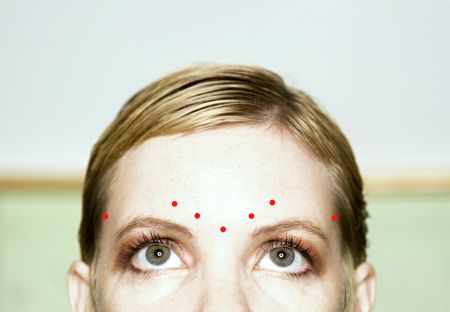 Poison the Pain - Botox for Migraines
A quick shot of Botox can improve one's face. Did you know it could also make you feel better? Moreover, we are not just alluding to self-esteem here. Migraineurs longing to erase some crinkles in their foreheads discovered a lucky side effect of the cosmetic treatment-fewer migraines.
Botox, botulinum toxin type A, is a neurotoxin most recognized for its help in erasing crinkles. The FDA initially permitted it in 1989 as a therapy for eye muscle ailments, and the aesthetic use came later.
Botox is deemed to work by weakening or immobilizing the muscles by terminating or slowing the release of the neurotransmitter acetylcholine (ACh). ACh communicate the signal from nerve to nerve to produce muscle contraction. When ACh creation is slowed down, muscles relax, including those that cause crinkles.
Acetylcholine is also a neuromodulator. This means it impacts how other neurotransmitters operate. ACh alternately stirs up and sedates nerve endings, and it is this control to repress excitability that may assist migraine patients. One theory on migraine causes is established on the idea of a cascade of nerve excitement in the brain that troubles the arteries in the brain. This in turn stimulates nerve sensitivity, which further inflames the artery, in a fierce cycle.
Botulinum toxin is the similar agent produced by stale food that causes botulism. When used medically, the toxin is introduced directly into the muscles and not seeped into the bloodstream. The amount of toxin required to set off botulism is much larger than used in medical applications.
Like most prophylactic migraine therapies, Botox injections may take scores of weeks to become successful. Depending on the research, Botox has been established as successful at minimizing migraines for 60-90% of study participants. Injections ought to be dispensed at least three months apart and the effects should last ten to thirteen weeks. Botox is not currently FDA accepted as a migraine remedy.
 Migraines and Depression
Migraineurs (Migraine Sufferers) find solace in a dark quiet room to appease their throbbing headaches. Migraineurs, though, are five times more probable to develop clinical hopelessness than people who do not have these debilitating headaches. Equally, people who are despondent are three times likelier than cheery people to turn out to be migraineurs.
Several scientists consider the intertwining of migraine and sadness as a chicken or egg situation. They are obviously comorbid, but does one cause the other? If so, which one commences the process, the migraine or the hopelessness? The key is not that plain. Migraines, depression, and, unsurprisingly, sleeplessness, a condition linked with both conditions have something in common. All three are related with neurotransmitter defects in the brain.
Experts judge that while they are connected, melancholy and migraine headaches have individual causes with an analogous neurobiology. For years, physicians faulted dejection in migraineurs on their resulting loss of quality of life due to headaches. Now it seems as though the tie is a biologic common mechanism rather than psychology.
One menace for clinically miserable migraineurs is a possible drug interaction between their dejection prescription and their migraine drugs. In July 2006, the FDA acknowledged one such threat, that of assimilating triptans for migraines with SSRIs (selective serotonin reuptake inhibitors) or SNRIs (serotonin and norepinephrine reuptake inhibitors), used to cure dejection and mood disorders. Adding the medicines can lead to a situation called serotonin syndrome.
Serotonin syndrome arises when there is unnecessary serotonin in the body. Warning signs include visions, increased heart rate and body temperature, rapid changes in blood pressure, and gastrointestinal upset. Now and then, a patient has no choice but to take these prescriptions together, but they should weigh their alternatives with their specialist and be monitored faithfully for serotonin syndrome.
Beat your Depression opt for a 'Natural Migraine Treatment'
 Caffeine: A Migraine Threat?
Migraineurs have a love-hate link with caffeine. For many, the vasoconstrictor helps ease their migraine pain. For an equal number, the caffeine is a migraine headache trigger. The link between caffeine and migraines is anything but simple.
For caffeine addicts who learn that their daily cuppa is a migraine trigger, the problem of caffeine is remarkably hard. People who recurrently use sizable quantities of caffeine repeatedly go through withdrawal headaches if they do not get their ordinary java jolt. If they are susceptible to migraines, the headache they get if they cut back the caffeine is going to be a doozy. Countless people assume caffeine withdrawal alone can set off a migraine. Customary caffeine-aholics are suggested to slash their caffeine intake slowly so they do not send their body into withdrawal.
Countless migraine pain relievers possess caffeine. The vasoconstrictive action of caffeine helps lessen migraine pain for a variety of people. One current assumption of what exactly goes on in the head during migraine proposes that arteries in the temple get sore during an attack and vasoconstriction would lower the swelling. Another promising reason to include caffeine in a migraine remedy is because it acts as an addition to the major analgesic. Examinations have shown that many analgesics act more effectively and pack a greater punch when harmonized with caffeine, though no one is sure accurately why.
Caffeine shows up in scores of astonishing places, so migraineurs who are responsive to it (not all are) need to be watchful label readers. Every person knows about beverages, things like coffee and colas. Caffeine is also found in countless clear or fruit-flavored sodas. Caffeine can be found in chocolate; the darker the chocolate the more caffeine it contains. Caffeine is in lots of existing analgesics, and not always clearly labeled. Migraineurs should be exceptionally cautious of caffeine in available migraine formulas of ordinary medications.
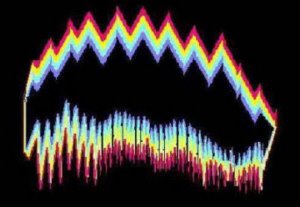 A migraine aura is a particular class of prodrome, or premonition, that is a sign of a migraine. It is a symptom or progression of indications that let migraineurs, people who experience constant migraines, know in advance that a migraine headache is about to make itself felt.
Aura effects crop up over about five minutes and in general transpire from twenty minutes to an hour prior to the onset of a headache. They are a warning sign of what used to be called “classic migraine”. Recently, medical physicians have moved to a more scientifically precise term, migraine-with-aura. Only nearly 15-20% of migraineurs consistently are inflicted with any kind of aura before a headache surfaces.
|
Aura Effects
Most migraine auras are visual. These auras are called positive visual phenomena because, rather than their ability to see fading or going dark, people who are inflicted with them see things. Examples include:
-Auras or Haloes: a nimbus radiance or cloud surrounding matter, specifically light sources
-Blinking or Floating Lights: colored or white (infrequently dark) spots that appear to move
-Lightning Bolts: a jagged or zigzag line that flickers and/or bends above the field of eyesight; with the regularity or gravity escalating over time until the person can no longer see (a white-out); This effect commonly discontinues with the inception of headache pain.
-Photophobia: an extreme sensitivity to light; this effect commonly lasts the duration of the headache
Most auras keep on for less than an hour. Migraineurs who experience auras that last more than an hour are said to suffer from migraines with long-drawn-out aura. In some cases a migraineur may live through aura effects without a headache resulting, but it is still considered to be an indication of chronic migraines.
At several times the same person may be subjected to all three variations, migraine with aura, migraine with prolonged aura, or typical aura without headache.
 The common and classic headaches are but two of a number of migraine headaches recognized. One outstandingly uncommon category of migraine is the hemiplegic migraine.
Hemiplegic migraine are migraine headaches with very distinct indications. They include:
* A abrupt attack unilateral (one-sided) fragility and/or paralysis, frequently in the aura period of migraine.
* The weakness mostly involves a migraineur's face, arm, and leg.
* When the right side of the body is the affected area, the migraineur may be speaking impaired.
* A gentle head trauma can cause a hemiplegic migraine.
* A migraine headache arises after the paralysis.
* The paralysis lasts from an hour to days, but commonly clears up within 24 hours.
* Lightheadedness, vertigo, double vision, and exertion in walking or balancing may all be part of a hemiplegic migraine.
Hemiplegic migraines are primarily hereditary and sufferers frequently have at least one first or second-degree relative (parent, sibling, aunt, uncle, first cousin) who also experiences from hemiplegic migraines.
Since scores of hemiplegic migraines are brought on by minor head trauma, people with a susceptibility for this type of migraine are advised to stay away from contact sports. In families where the condition is ordinary, onset regularly manifests in childhood, so the no-contact rule is specifically vital for children in hemiplegic prone families.
Countless heritable markers have been recognized for hemiplegic migraine specifically. It is not a condition that screening is generally offered for, but screening is accessible upon request.
This type of migraine is exceptionally worrying because its indications so closely are similar to a stroke. Fortunately, the stroke-like effects usually reverse completely within 24 hours. They are also difficult because hemiplegic migraines do not respond to most migraine prescribed drugs and often have to be treated more akin to epilepsy with more damaging medicines than regular migraineurs take.
 One of the most complex forms of illnesses is the migraine headache pain. The condition is very widespread that it afflicts children, teenagers and adults.
Although unpleasant, headache pain is in essence regarded as a natural part of a person’s daily existence. Since headache pain is among the top reasons for medical appointments to experts and physicians now, it just proves that there is in fact nothing more usual on this form of illness.
The major triggers of headache pain vary from the numerous cases of headache. Among the top factors that trigger headache pain are viruses, bio-chemicals, hormones, and bacteria. Genetics and headache pains one experiences are interrelated. People with low levels of serotonin are more likely to have headache. Serotonin is the neuro-chemical that protects an individual from pain.
Determining dissimilar kinds of headache pain
While infuriating and terrible pain is inevitable in all kinds of headache, it in reality comes in various forms. It is especially important for one to recognize the different forms of headache pain in order to have accurate diagnosis and employment of headache pain relief medicines.
1. Migraine headache pain
This type of pain occurs on the one side of the head. The pain can become brutal to the moment that it can hinder with a person’s daily yield.
2. Cluster headache pain
This type of headache pain is brutal and unforeseen. Although a cluster headache has a shorter period compared to other classes of headache, it can occur up to six times in one day.
3. Sinus headache pain
An infection, growth, and irritation of the sinuses can generate a sinus headache pain. This type of headache pain is usually mistaken with tension and migraine pains.
4. Rebound migraine headache pain
A rebound migraine headache pain is frequently caused by over-consumption of migraine headache medications. Instead of diminishing the pain, pain reliever drugs can eventually cause headache pains when abused.
 You have brutal, weakening headaches that cause you to heave and huddle up in a dark room for hours awaiting for them to cease. Chances are they are migraines. The only way to know for sure, and make a start on the path to treating your condition if they are migraines, is to be appropriately diagnosed.
The first move is to always consult a doctor. One out of every eight people tolerates migraines, so chances are good that your licensed doctor has seen someone who has migraines before. If your regular doctor does not feel competent to appropriately identify the source of your headaches or writes off your pain, it may be time for a specialist.
Ask your doctor for a referral to a headache specialist. If they do not know anybody, verify with your insurance company to see if they have any specialists stored on record. However your inquiry will turn out, get in touch with your district medical board. You can also try one of the major headache organizations for experts, not patients, and ask for the name of three or four specialists in your neighbourhood.
Check with associates and family. The odds are good you know someone with migraines and they may just have a physician they are comfortable with. The best location to seek referral is at a college or university or a local teaching hospital.
When you get hold of a few names, call and find out more about the expert. A variety of good screening questions to check with the medical doctor are:
* How long have you been specializing in headache treatment and how frequently do you treat headache patients?
* Are you certified in your forte (for physicians in the U.S. and Canada)?
* Are you a member to any headache-oriented professional groups?
* Do you take part in any kind of existing education program to be abreast
of the most modern exploration on headache diagnosis and care?
 Migraineurs (people who live through chronic or interrupted migraine headaches) are looking for headache reprieve that doesn’t come from a drug lab. Surprisingly, available medications for migraines actually kicks of a headache attack.
Some migraine sufferers have found respite from feverfew (Tanacetum parthenium), a common flower that exists all over Europe and North America. Feverfew plants remind you daisies.
They have flat yellow centers with lean white petals on lightly furred stems and little yellow-green leaves. Medical texts going as far back as Ancient Rome list dried up and packed down feverfew leaves as a palliative for headaches.
Feverfew is best used in a protective program. Scores of clinical trials, all in the past decade, have publicized that feverfew, taken two to three times a day, can relieve the occurrence of migraine recurrences by up to 50% for some people. Countless trial participants who faced chronic daily headaches (CDH) plus migraine episodes stated that their daily headaches halted totally after four weeks of feverfew treatment.
Inspite of the evident gains, a bounty of potential harmful effects are set off by Feverfew. A small amount of people go through them, but they can be life-threatening. Any patient craving to add feverfew to their migraine deterrence schedule should discuss with their doctor and a certified herbalist.
Feverfew is offered in numerous types. It can be home-produced and the migraineur can chew two to three leaves from the plant each day. It is also existing in tea, tablet, capsule, and tincture types. Feverfew in any type can bring about mouth ulcers, but they are most common among those that chew up the leaves or drink the tea. If mouth sores improve, stop use instantly.
Pregnant or nursing women should not take feverfew. Do not give Feverfew to pediatric migraineurs without consulting a doctor. Feverfew can produce an allergic response in patients with ordinary pollen allergies and should be taken with care.
 Nobody ever said parenting is an simple and smooth task. More commonly, parents find it hard, difficult, and frustrating to handle their children.
If you have issues with your child’s behaviour, it would help a lot if you would try to reach out. Understanding your child and his behaviour would certainly work wonders. Anyway, if you would not take the effort to do so, who would?
Parenting has always been among the most significant and challenging jobs known to mankind. Often, children’s misbehaviour and tantrums successfully drive parents crazy. This is mainly true if parents could not seem to rectify such misbehaviours. If you are facing this kind of problem, begin the approach to solving it by treating the misbehaviour as a message. Your child definitely is trying to tell you something he could not easily and effectively express.
Understanding your child’s misbehaviour could help you discern and decipher what exactly it is he is trying to say to you. He has goals for misbehaving the way he does. It is not good to underestimate your child. Through comprehending misbehaviour, you could help yourself curb any unlikely or bratty behaviour of your child so you could eventually enjoy a better and stronger relationship as child and parent. Here are some guidelines that could help you going.
First, realize that misbehaviour is every child’s inspired and scheming approach to seek and catch attention. You may start curbing it by evaluating and determining how you actually feel and react if he misbehaves. Your child may be always doing his misdemeanour's if he sees you are irritated and annoyed. To make a good start, try to ignore the bad behaviour even for once. Give him more attention every time he behaves more properly. This could be your creative way of telling him that the best way to catch your attention is through behaving properly.
Try not to show anger whenever your child misbehaves. You may send him the mistaken signal. If you get irritated or annoyed, try your best to be as calm and as pleasant as possible. This way, you are removing yourself totally out of the conflict. The moment he calms down, encourage your child to talk and tell you what it is he likes.
Some children are just too bright to aim revenge through misbehaving. If you think that is the case, try to retreat yourself from the situation. It is best if you could determine a positive interaction particularly when he is calm or is in neutral situation. Then, try to set logical consequences for his misbehaviour (but be careful not to make it look and sound like actual punishments).
Always have patience. There is no need to feel unable to help no matter how difficult the situation could be. Do not give him the impression that you are giving up. As an adult, show the child that you are mature and knowledgeable enough in handling the situation. Keep on chatting to your child during his calm moments so you could settle and resolve whatever differences you may have with each other.
Really getting to know your child may not be simple, but you could always succeed in it if you would just be determined enough. It is always best to foster a healthy and open relationship with your child and make yourself approachable at all times. Remember your child's behaviour can be changed
 Understanding little children, especially in their toddler years, is always full of lovely surprises.
This is the time when your children’s language skills are developing at a much faster rate. You never know what comical words come out from their mouths.
Beginning at 2 years old, these kids can already pick up correct use of verbs, nouns, pronouns, prepositions and all the other language bits by ear and speaking them right out.
Some traits of 2-year olds
Per previous studies, two-year-olds have usually have more than 50 words in their vocabulary. They communicate mostly by saying two and three word phrases that enable them to participate in adult-like conversations. Most of these words are nouns (for objects and people) greetings, and other key words such as “more” and “now”. They can answer simple questions, too.
Children of this age are more than eager to perfect their language skills by imitating and copying adults and older children. Later, they are able to manage and make five-word phrases easily.
They are fascinated by animated adults reading illustrated books. These books teach new words that they hardly ever hear. For instance a book about the zoo introducing the animals brings in new words for their vocabulary.
These children are quick to identify pictures in books, helping them in their language development, even interacting with storytellers. They chat to themselves during play which actually is a good way to practice their talking skills.
At this age, these children are aware of others around them. They use their names and they are beginning to understand the concept of the pronouns “he” and ‘she.”
They are able to handle themselves: taking a bath, getting dressed, eating and playing. They are also able to identify at least 6 parts of their bodies that include the hands, legs, nose, and mouth.
These children can follow simple two-step instructions. (“Please pick up the ball and put it in the box.”) Usually they are not yet ready to ask questions, but they can understand easy questions asked of them, like “Where is mummy?” This is because their receptive language skills (understanding of words and language) develop sooner than their expressive skills or oral abilities in words and language.
They know how to use their own names, in effect identifying themselves from the others. This is the start of consciousness of his or her own personality, an essential milestone for any developing child.
They can sing parts or whole of nursery rhymes, enjoying the music, and the interest to sing along with it. This is also an opportunity of practising the use of more words.
At this stage, the child can communicate variations of the word “no” and other negative phrases. This is a powerful and useful skill for him. The child is also able to understand the idea of past actions and the use of the past tense,
Also, they are "usually" able to articulate the sounds of the letters B, P, M, G, N, K, H, W, D, and T.
Some characteristics of a 3-year old
3-year olds understand most aspects of the language and start to figure out the grammatical rules and add them to their speech.
Occasionally, what sounds like nonsense words are word experiments for them, like calling a fountain “crash water”, a picturesque name. They know how words sound and how sentences are put together and begin to mix new word combinations on their own.
They understand well how meanings change in a language even before they can speak: that of changing the word order and adding prefixes and suffixes in the words.
By the time they turn three, children are most likely to be very good talkers. They can carry a conversation well, know how to adjust their tones and speech patterns and to the vocabulary of their speaking mate. (They use simpler words with another child their own age, but can be more verbal with adults.)
As parents, understanding children - the little ones specifically - can be a most pleasant exercise one can have. Even including the tantrums when all the trouble was you cannot understand them sometimes. Help your child with language skills and reap the rewards
Subscribe to:
Posts (Atom)


 Posts
Posts